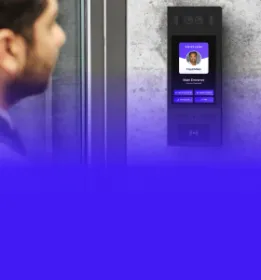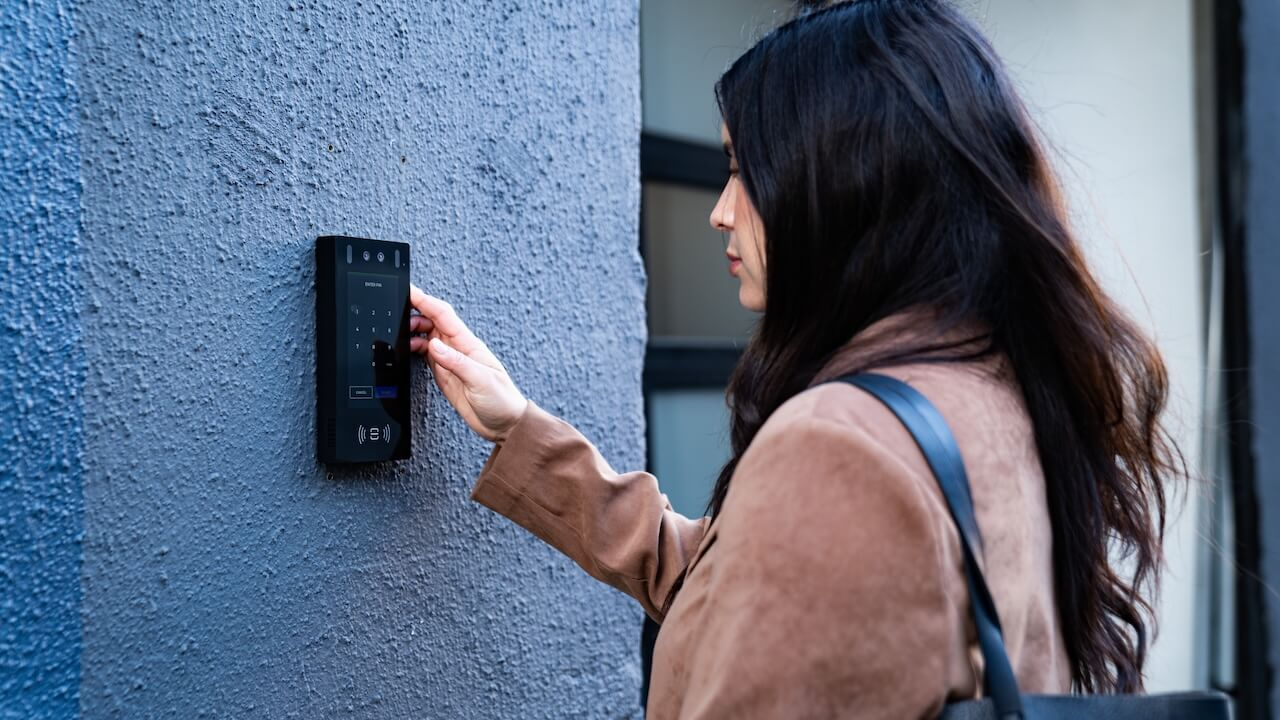
An intercom with door access control lets your building communicate with visitors and manage entry through one system. Instead of blindly buzzing people in or using separate tools, you can verify visitors in real time and open the door for them in a single, smooth flow.
Most buildings reach a point where a basic intercom or standalone access control no longer works. Deliveries pile up. People get let in without anyone knowing who they are. Residents get frustrated. Property teams have little visibility into what’s happening at the front door.
That’s why more modern buildings are moving toward intercom and door access control systems that work together. You get more control, better visibility, and a practical way to manage the daily traffic of a busy property. This guide is based on industry buyer research, property manager interviews, and access control standards from organizations like ASIS International and the Security Industry Association (SIA). It reflects common operational challenges seen in multifamily, commercial office, and mixed-use properties.
Key Takeaways
- Legacy systems lack video verification, centralized control, and reliable access logs.
- Common triggers for upgrading include frequent deliveries, no front desk, blind buzzing, high turnover, and after-hours access.
- Use a structured framework to compare vendors, deployment fit, and scalability.
- Avoid mistakes such as ignoring retrofit needs, poor outage planning, and using disconnected systems.
- Total cost depends on doors, hardware, wiring, software, integrations, and support, not just the panel.
Table of Contents
- Intercom with Door Access Control Use Cases
- Multifamily Buildings With High Visitor Traffic
- What to Look for Before You Buy
- What to Avoid When Buying an Intercom with Door Access Control
- Cost Considerations
- Why Choose Swiftlane for Modern Properties
- FAQs
Related Articles:
- Door Access Control: A Complete Guide
- Best Fingerprint Door Locks To Buy In 2025 (Free Checklist)
- Best Gate Intercom Systems for Apartments, HOAs, and Commercial Properties (2026 Guide)
Intercom with Door Access Control Use Cases
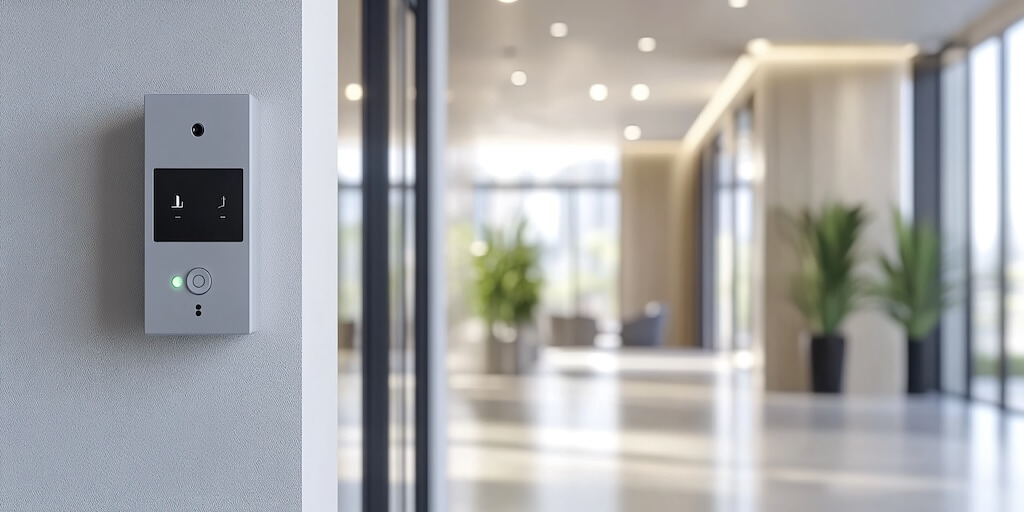
Not every property needs an integrated system immediately. However, certain operational patterns signal when standalone intercoms or basic access control are no longer sufficient.
Below are the most common real-world use cases for when an intercom with door access control becomes essential.
Multifamily Buildings with High Visitor Traffic
Multifamily buildings deal with constant foot traffic: deliveries, guests, movers, and new tenants coming and going. Without a staffed front desk, legacy buzzers or standalone intercoms quickly break down, leading to poorly managed deliveries, unverified guest entry, package theft, and extra workload from frequent tenant turnover.
An integrated video intercom and access control system creates a more controlled entry flow: residents use credentials for daily access, visitors are verified on video, and doors can be unlocked remotely when needed. Instead of unverified remote unlock, entry decisions are tied to visual verification and access logs.
Property teams consistently report operational strain tied to routine administrative work. In the 2025 Performance Ecosystem Report by the National Apartment Association (NAA) and AppFolio, professionals reported spending 42% of their weekly time on routine operational and administrative tasks. This builds a case for upgrading to a streamlined, centralized entry management system.
Office Buildings with After-Hours Access
Office buildings routinely face after-hours traffic, employees working late, contractors and cleaning crews, and shared workspace users, making reliance on reception or unlocked doors impractical and insecure.
Common pressure points include frequent contractor arrivals outside business hours, shared or flexible office suites, and a hybrid workforce with variable schedules that outgrow static keys or ad hoc buzzing.
Using an intercom with door access control will help teams quickly verify who’s requesting entry and authorize it.
Gated Communities and Parking Garages
Even in gated communities and parking structures, pedestrian doors, lobby entrances, and side access points require the same control as vehicle gates. When there are multiple pedestrian entry points, no staffed guard, and residents and guests share the same entrances, legacy keypads or stand-alone callboxes invite code sharing, piggybacking, and gaps in visibility over who entered and when.
In these setups, an integrated system allows residents to enter using credentials, while visitors can request access through the intercom for quick verification.
From there, doors can be unlocked remotely without on-site staff, helping communities manage shared spaces and entrances more consistently and in a controlled way.
Mixed-Use Properties
Mixed-use buildings combine residents, retail staff, office workers, and visitors who often share the same entrances at different times of day. This creates overlapping retail–residential traffic, multiple tenant groups with distinct needs, and conflicting access schedules that a one-size-fits-all system rarely handles, especially when there’s no full-time front desk.
An intercom with door access control makes it much easier to handle these overlapping access needs without constant manual coordination. Different tenant groups can have their own credentials, schedules, and permissions, while visitors are still verified at shared entrances.
The result is a more controlled flow of entry that keeps restricted areas protected without adding friction for the people who are supposed to be there.
Buildings Upgrading from Legacy Buzzer Systems
Many older buildings still run on legacy analog button-based buzzer panels built for a much simpler era. As traffic and security expectations rise, these systems reveal common pain points: no video verification, risky “blind buzzing,” slow, costly, hardwired tenant directories, and no remote management for staff, leading to security gaps, tenant frustration, and a higher admin workload.
With legacy buzzers, access decisions are often made without verification, and even small updates, such as tenant changes, require manual effort. An intercom with door access control modernizes this flow with video verification, digital directories, and remote management, making entry more secure and day-to-day operations much easier to handle.
If you’re planning to replace an aging buzzer or directory system, our Apartment Buzzer Replacement Guide outlines upgrade options, wiring considerations, tenant communication tips, and budgeting factors to plan a smooth transition.
Properties Managing Multiple Locations
Once you’re overseeing multiple properties, disconnected entry systems create friction, inconsistent rules and credentials, and limited visibility across sites. The result is portfolio-level oversight gaps, weak remote monitoring, and a constant need for centralized administration that legacy setups can’t support.
An intercom with door access control provides teams with a single place to manage entry across all locations. Instead of handling access building by building, admins can update credentials, monitor activity, and respond to entry requests remotely, keeping operations more consistent without being on-site.
What to Look for Before You Buy
Choosing an intercom with door access control requires evaluating how the system supports your building’s daily operations, visitor flow, and access management needs.
Use the framework below to compare options:
| Core Area | What to Check | Why It Matters |
| Verification and access | Clear video, mobile answering, and flexible credentials (mobile, fobs, PINs) | Ensure secure, frictionless entry for different user types |
| Management and visibility | Remote control, user management, and access logs | Reduces admin work and improves accountability |
| Deployment fit | Retrofit compatibility, wiring reuse, and hardware requirements | Impacts installation complexity and cost |
| Reliability and security | Offline functionality, backup power, and encryption | Keep systems working during outages and protect data |
| Scalability and support | Ability to expand + responsive vendor support | Prevents rework as your building or portfolio grows |
Questions to Ask Vendors
Ask consistent, practical questions across vendors to compare real-world performance.
- Reliability: What happens during internet or power outages?
- Scalability: Can this system manage multiple buildings from one dashboard?
- Retrofit fit: What existing wiring or hardware can be reused?
- Cost structure: How are software, support, and updates priced long term?
- Integrations: Does it support elevators, gates, cameras, and property systems?
- Implementation: What does deployment look like for a building like ours?
The goal isn’t to find the system with the most features. It’s to find one that fits how your property runs. If you’re actively comparing solutions for multifamily buildings, our Buyer’s Guide to Intercom Systems walks through evaluation criteria, deployment considerations, credential options, and vendor-comparison questions that property teams should ask before purchasing.
What to Avoid When Buying an Intercom with Door Access Control
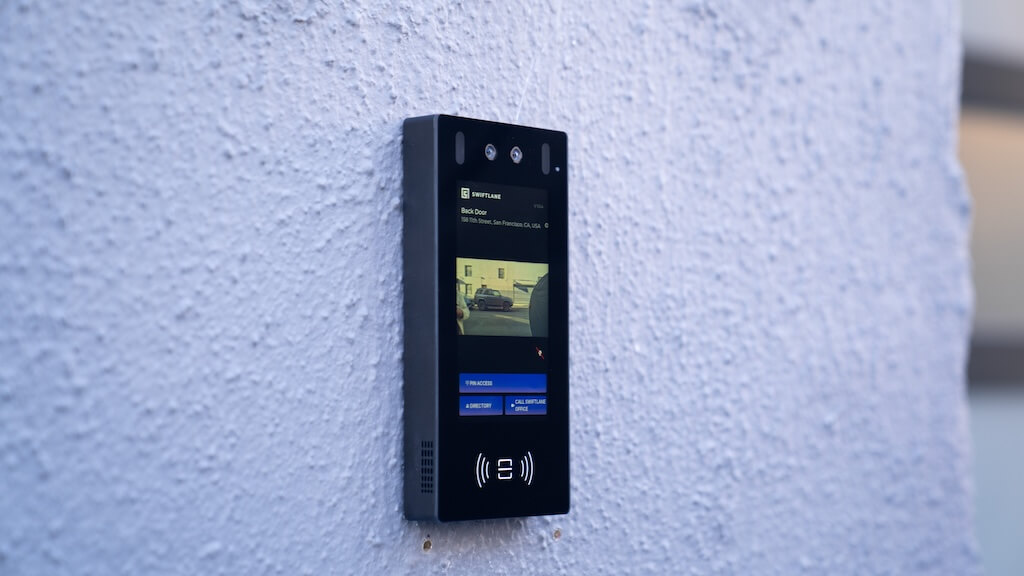
Even strong systems can fail in practice if key decisions are missed early. Watch for these common pitfalls:
1. Focusing only on upfront cost
Lower hardware pricing often masks long-term costs such as software, support, and upgrades. Over time, these recurring expenses and operational inefficiencies can outweigh any initial savings.
2. Treating intercom and access control separately
Disconnected systems create fragmented workflows and limited visibility. This often results in duplicated work, inconsistent data, and more points of failure at entry points.
3. Overlooking building constraints
Ignoring door hardware, wiring, or life-safety requirements can lead to delays and added costs. Early alignment with these constraints helps avoid change orders and installation issues later on.
4. Ignoring user experience
If access is confusing or slow, residents and staff will find workarounds that weaken control. An easy-to-use system reduces support requests and improves compliance with access policies.
5. Not planning for outages or turnover
Systems should handle offline scenarios and make it easy to add or remove users. Without this, properties risk access disruptions during outages and increased admin burden during tenant or staff changes.
Cost Considerations
The cost of an intercom with door access control depends less on the device itself and more on the scope of the deployment.
The main cost drivers are:
- Access points: Number of doors, gates, elevators, and garages
- Infrastructure: Existing wiring, network readiness, and hardware compatibility
- Features and integrations: Credentials, cloud software, and system integrations
- Installation and resiliency: Labor, retrofit complexity, backup power, and failover
Instead of comparing upfront quotes, focus on the total cost of ownership: hardware, software, installation, and how the system scales over time.
Why Choose Swiftlane for Modern Properties
Modern properties need more than just a door device. They need a system that fits real-world traffic, flexible access needs, and remote operations.
Swiftlane combines video intercom and access control into a single cloud-managed platform designed for multifamily and commercial buildings.
Instead of forcing properties to manage separate intercom and access tools, Swiftlane brings video verification, credential management, remote unlocking, and centralized access management into a single platform. This reduces the need to manage separate intercom and access control workflows.
For multifamily, mixed-use, and portfolio-scale properties, the focus is on practical value: controlled access, operational efficiency, and a system that scales as buildings grow without adding unnecessary complexity.
FAQs
What is the difference between an intercom with door access control and a traditional intercom?
A traditional intercom mainly handles communication and basic door unlocking. An intercom with door access control takes it a step further by combining video verification, credential-based entry (mobile, fob, PIN, etc.), and access tracking in one system, giving properties greater control and visibility into who enters and when.
Is an intercom with door access control suitable for small buildings?
Yes. Even smaller properties benefit from integrated systems, especially if there’s no front desk or on-site staff. It helps streamline guest entry, reduce blind buzzing, and make day-to-day access easier to manage without adding operational overhead.
Can an intercom with door access control replace legacy buzzer systems?
In most cases, yes. Modern systems are often used as upgrades to legacy buzzers by adding video verification, remote management, and flexible credentials. This improves security and makes tenant and directory updates much easier compared to hardwired, manual buzzer setups.