

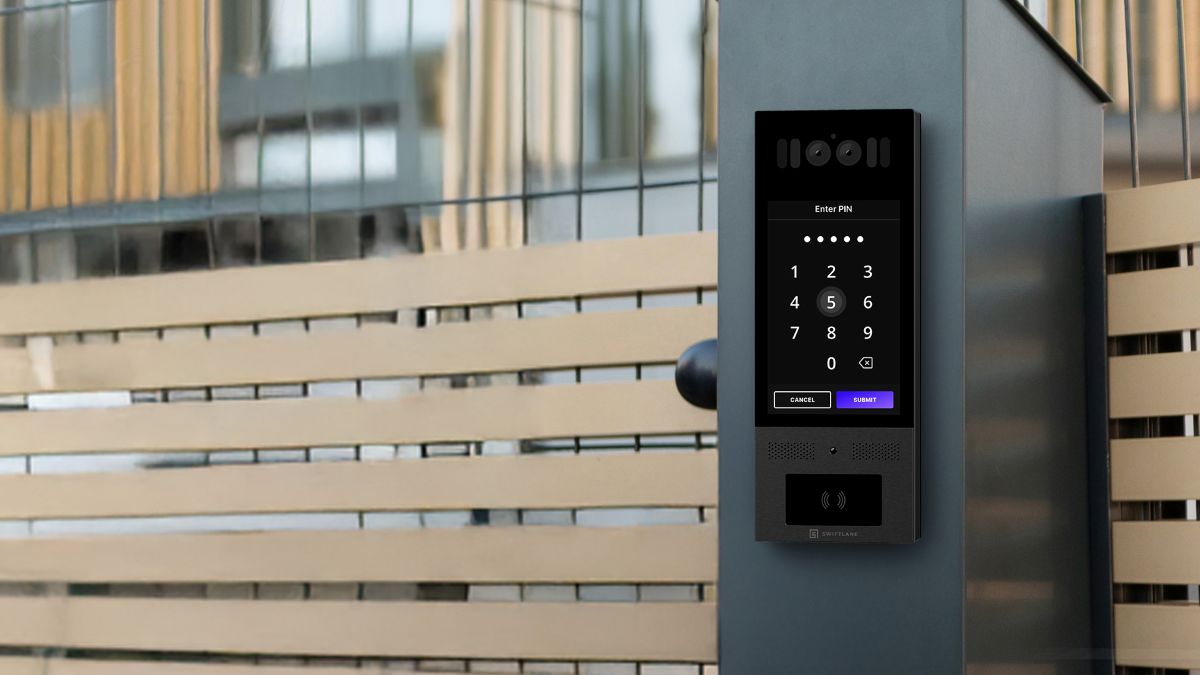
As a residential property owner or manager, you often evaluate gate access control systems in response to very practical challenges like unauthorized access, package theft, and a steady rise in visitor and service traffic at residential gates.
Residential gate access control systems are designed to help communities manage these realities more effectively. When implemented thoughtfully, they can improve security and privacy, streamline visitor access, and support property operations without significantly increasing costs.
This guide explains how residential gate access control systems work, the types of systems commonly used today, and what to consider when choosing a solution that fits the day-to-day needs of a residential community.
Key takeaways
- Residential gate access control systems support security, visitor flow management, and daily access needs.
- The right system depends on how pedestrian and vehicle entry, deliveries, and service access are handled.
- Modern systems reduce reliance on shared remotes and permanent codes through mobile and temporary credentials.
- Cloud-based management allows access updates without on-site reprogramming.
- Upfront cost, installation effort, and ongoing maintenance should be considered alongside security features.
Table of Contents
- Why Gate Access Control Is Becoming Essential
- Types of Gate Access Control Systems
- What to Look for When Buying a Residential Gate Access Control System
- Comparing Residential Gate Access Control Systems
- Installation and Maintenance
- Gate Access Control Costs
- How Swiftlane Works for Gate Access Control
- FAQs
Why Gate Access Control Is Becoming Essential


As communities grow and delivery activity increases, managing who can enter a property and under what conditions has become significantly more complex. In the United States alone, an estimated 104 million packages were stolen nationwide in the past year, resulting in billions of dollars in losses.
This rise in theft highlights a broader issue: uncontrolled or poorly managed access poses significant security and operational risks.
Access control in residential and mixed-use buildings extends far beyond the residents. Delivery drivers, dog walkers, cleaners, landscapers, vendors, and guests all demand different times and levels of access. Without a gate access control system in place, property managers are frequently forced to rely on manual processes, visual surveillance, or uneven enforcement, making it impossible to maintain security at scale.
Gate access control systems help address several common challenges, including:
- Package theft, where unattended or unsecured deliveries are targeted by unauthorized individuals
- Unwanted solicitors, who gain entry and disrupt residents or occupants
- Unauthorized parking, with non-residents using spaces intended for tenants and guests
- Excess vehicle traffic, including speeding or cut-through traffic, creates safety and noise concerns
- Unauthorized use of amenities, such as pools, courts, gyms, and gated outdoor areas
Gate access control systems mitigate these dangers by controlling vehicle and pedestrian admission at the perimeter before they reach the site. They offer a systematic, auditable method for granting access, enforcing permissions, and protecting residents, all while lowering the day-to-day strain on property management staff.
Types of Gate Access Control Systems
When selecting a residential gate access control system, the first step is understanding how people and vehicles enter the property. Pedestrian and vehicle gates serve different purposes and often require different access methods to function smoothly. Evaluating them separately helps communities choose systems that support daily use without unnecessary friction.
Pedestrian gates


Pedestrian gates are used for foot traffic, including residents, guests, delivery drivers, and service providers. These gates are typically accessed more frequently throughout the day and often need to accommodate both short-term and scheduled entries.
Common access control methods for pedestrian gates include keypads, card readers, mobile credentials, and video intercoms. In some communities, pedestrian gates also support PIN codes or temporary credentials to simplify visitor access while avoiding shared codes. The right combination depends on how often access changes and how closely entry needs to be monitored.
Vehicle Gates
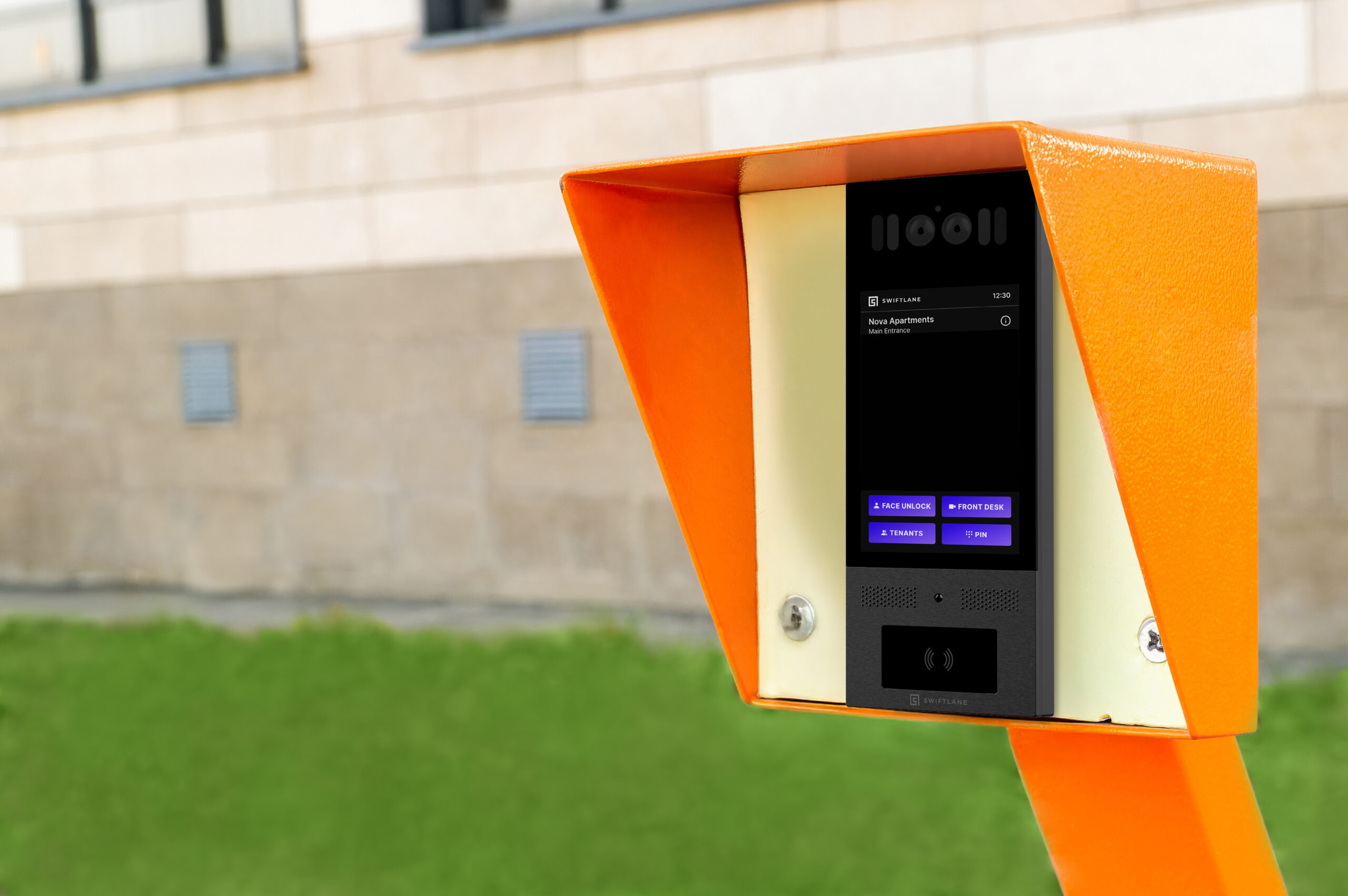
Vehicle gates manage car traffic entering and exiting the property and are often the primary access point for residents and visitors. Because these gates handle higher volumes and peak traffic periods, speed and reliability are especially important.
Vehicle gate access control systems may use key fobs, card readers, mobile credentials, license plate recognition, or intercom-based verification. Some communities rely on a mix of methods to accommodate residents, guests, and service vehicles without causing gate traffic.
Choosing the right setup involves balancing convenience with control, particularly during busy hours.
What to Look for When Buying a Residential Gate Access Control System
When searching for the perfect residential gate access control system, there are several factors to consider. Keep these points in mind to ensure you get the best security solution for your property:
Type of Access Control System
Residential gate systems support a range of access methods, including keypads, card readers, mobile credentials, intercoms, and license plate recognition. Some communities stick to one method, while others combine a few to handle different entry needs.
The right setup usually depends on how often access changes and who needs access. A system that works well for residents may not be ideal for guests, deliveries, or service providers, so flexibility matters.
Remote Access
Remote access makes it possible to manage gate entry without being physically on site. For many communities, this means fewer urgent calls to staff and quicker resolution when access issues come up.
Being able to update permissions, issue access, or respond to visitor requests remotely can make gate management much easier, especially when staff coverage is limited
Intercom Integration
Intercoms give residents or staff a way to see or speak with visitors before opening the gate. This is particularly useful when guests arrive unexpectedly or when deliveries need verification.
Gate systems that integrate with intercoms reduce the need for shared codes and give communities more control over who enters, without slowing things down.
Ease of Use
If a gate system is confusing or inconsistent, people tend to work around it. Shared codes, propped gates, or bypassed controls are often signs that the system isn’t easy to use.
A good gate access system should feel straightforward for residents and manageable for staff, with clear steps and predictable behavior at the gate.
Compatibility
Not all gate systems work seamlessly with existing hardware or other access tools. Checking compatibility upfront helps avoid unexpected installation challenges or extra costs.
Systems that work well with current gates, access platforms, or visitor tools are usually easier to maintain over time.
Reliability
Gate access systems are used every day, often during busy entry and exit periods. If a gate doesn’t open reliably or responds slowly, it quickly becomes a problem for residents. Looking at system uptime, responsiveness, and support options can help avoid recurring issues after installation.
Installation Cost and Support
The initial install is only part of the overall investment. Ongoing support, maintenance, and access to technical help all affect how manageable the system is long term. Understanding what’s included after helps set realistic expectations and avoid surprises later.
Manufacturer Reputation
The provider behind the system matters as much as the system itself. A strong track record, responsive support, and continued product updates are good signs that a solution will remain viable as needs change.
Communities often benefit from choosing systems backed by vendors with experience in residential environments.
Comparing Residential Gate Access Control Systems
Different residential communities use gate access control in different ways. The table below highlights common access methods and where each one tends to work best, helping property managers quickly compare options based on daily use rather than feature lists.
| Access Method | Common Use Case | Pros | Considerations |
| Keypads (PIN codes) | Smaller communities, guest access | Simple to deploy, low hardware cost | Codes can be shared; requires regular updates |
| Physical credentials (cards/fobs) | Resident vehicle or pedestrian entry | Familiar, easy for residents | Lost credentials require replacement |
| Mobile credentials (smartphone) | Modern residential communities | No physical credentials, manageable remotely | Requires smartphone adoption |
| Video intercoms | Visitor and delivery access | Visual verification, improved visitor control | Slower during peak traffic if overused |
| License plate recognition (LPR) | Resident vehicle entry | Hands-free, fast gate entry | Camera placement and clean data management needed |
Installation and Maintenance
Installing a residential gate access control system means thinking beyond the gate itself. The system needs to work smoothly with existing infrastructure and stay easy to maintain over time, without adding extra work for staff or residents.
Installation requirements vary depending on the type of gate, the access methods, and whether the system integrates with other tools such as intercoms or access control platforms. Some systems require professional installation and wiring, while others are designed to work with existing setups to reduce complexity.
Maintenance is just as important as installation. Gate access systems are used daily, often during peak traffic times, so reliability matters. Regular checks, software updates, and responsive technical support help prevent issues like slow gate response, failed entry attempts, or system downtime.
When evaluating systems, it’s worth considering how maintenance is handled long-term. Systems that support remote monitoring, updates, and troubleshooting can reduce the need for on-site visits and make it easier to address problems before they affect residents.
Gate Access Control Costs
Gate access control hardware costs vary widely, largely depending on the type of gate used.
Custom architectural gates, such as ornate wrought-iron designs, can reach tens of thousands of dollars or more, especially when fabrication and installation are involved.
At the other end of the spectrum, barrier arms and wishbone-style gates are far more affordable, with many durable options available in the low-thousands range through commercial gate suppliers and online marketplaces. Existing gates can also be retrofitted with mechanical openers, which typically cost a few thousand dollars, based on commonly available residential gate operator kits sold by major retailers.
Gates are most functional when paired with an intercom system, which generally costs between $1,000 and $5,000, depending on whether it includes audio or video capabilities.
How Swiftlane Works for Gate Access Control
Swiftlane helps residential communities manage gate access using cloud-based video intercoms, mobile credentials, and centralized access management, reducing reliance on shared remotes and permanent gate codes.
When verification is needed at a pedestrian or vehicle gate, a video intercom call can be placed so authorized residents or staff can answer from their phone, see who’s there, and remotely unlock or grant access. Temporary access for deliveries, guests, or service providers can be managed through PIN-based or visitor access tools, while residents can use mobile credentials rather than relying solely on physical fobs.
Because access management is cloud-based, property teams can update permissions, review activity, and make most changes remotely as needs change, helping reduce operational overhead and on-site reprogramming.
Curious how this works at real residential gates? Explore how Swiftlane supports secure, flexible gate access for modern communities. Book a demo now or download a free purchase checklist.
FAQs
What is the “best” gate access control system for a residential community?
There isn’t a one-size-fits-all system. The right solution depends on how a property handles pedestrian and vehicle entry, how often access changes, and whether guest, delivery, and service provider access must be supported in addition to resident access.
Are mobile gate access systems secure for residential use?
Yes, when implemented correctly. Mobile gate access systems reduce reliance on shared remotes or permanent codes, which are harder to track and revoke. Security depends on credential management, centralized activity logs, and how permissions are issued and updated.
How much does a residential gate access control system typically cost?
Costs vary by gate type, access methods, and installation requirements. Basic gate operators or barrier arms may cost a few thousand dollars, while custom architectural gates can be significantly more expensive. Intercom systems commonly range from $1,000 to $5,000, depending on audio or video features included. Ongoing costs may include software, support, or maintenance.
Get a Quote from Swiftlane
Reach out to Swiftlane for a free consultation or quote for upgrading your gated entry system


