

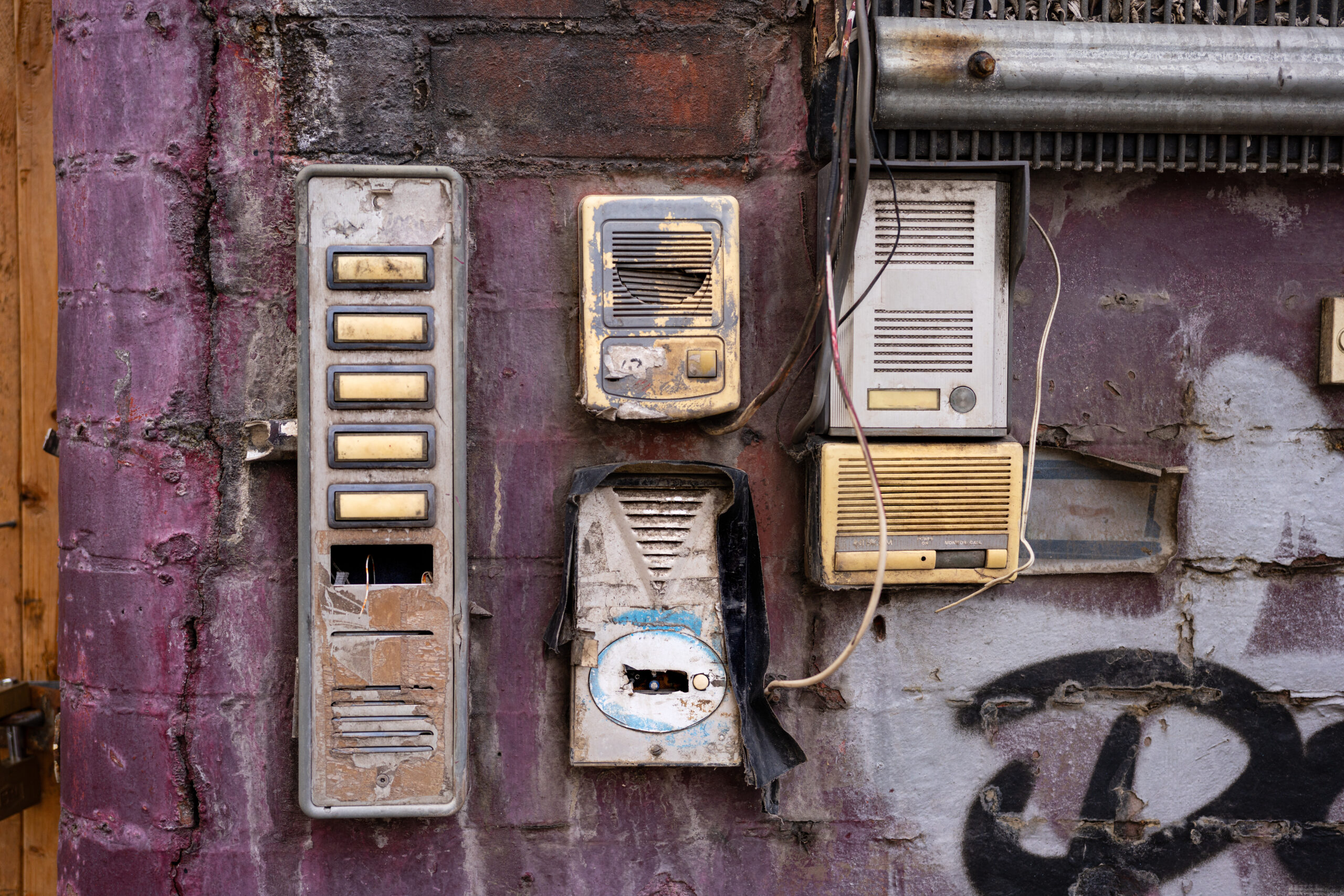
Replacing an apartment intercom system isn’t usually something property teams plan for years in advance. It’s something that comes up when the current system starts being problematic.
Maybe residents complain that calls don’t go through. Or the front desk gets stuck handling deliveries all day. Visitors might not be able to reach tenants after hours. It’s also possible that your access control system still relies on old wiring and landlines that no longer fit how your building operates.
All of these are telltale signs that your apartment intercom needs to be replaced.
Intercoms are used daily, and affect how residents receive guests, how deliveries are handled, and how secure the property feels. When they stop working reliably, everything slows down.
This guide walks you through when to upgrade, what modern intercom systems look like today, and how to choose a replacement that fits how your building actually runs.
Key Takeaways
- Most intercom replacements happen due to reduced reliability, not age.
- Modern systems support mobile access, video, and cloud management.
- Costs depend on building size, infrastructure, and system type.
- The best system matches how your building actually operates.
Table of Contents
- Top Reasons for an Apartment Intercom Replacement
- Quick Check: Do You Need to Replace Your Intercom?
- What To Look For in an Apartment Intercom Replacement (2026)
- Apartment Intercom Costs and the Right Fit for Your Building
- Swiftreader X for Apartment Intercom Replacement
- Final thoughts
- FAQs
Top Reasons for an Apartment Intercom Replacement
Most buildings don’t replace their intercom system simply because it’s old. They replace it because it no longer performs reliably or supports how the building actually operates.
What’s less obvious, but just as important, is the need to regularly evaluate whether an existing intercom is still doing its job effectively. Even systems that appear dependable should be reviewed annually.
Technology is evolving rapidly, and so are tenant expectations around access, convenience, and security. A legacy intercom that once worked well can quickly become a weak point, limiting visibility, slowing response times, and creating avoidable security gaps. Proactively assessing whether an upgrade is needed helps prevent small issues from becoming larger operational or security problems.
Quick Check: Do You Need to Replace Your Intercom?
The table below highlights common warning signs that indicate an intercom system may be due for complete replacement rather than repair.
| Warning Sign | What It Means in Practice |
| Calls fail, or audio is unclear | Residents miss guests and deliveries; staff field repeated complaints |
| Doors don’t unlock consistently | Creates security risks and forces manual entry workarounds |
| System relies on landlines or analog wiring | Infrastructure is being phased out and is harder to maintain |
| Replacement parts are difficult to source | Repairs become slower, more expensive, and less reliable |
| No mobile or remote access support | Staff and residents must be on-site to manage entry |
| Frequent service calls or emergency repairs | Maintenance costs add up quickly |
| Residents regularly complain about usability | The intercom negatively impacts tenant experience |
| System can’t support modern visitor volume | Packages, vendors, and guests overwhelm outdated workflows |
If several of these apply to your building, replacement is often more cost-effective and less disruptive than continued maintenance.
What To Look For in an Apartment Intercom Replacement (2026)


When replacing an apartment intercom system, the goal is to make daily building access easier, more reliable, and more secure for residents, staff, and visitors.
The best replacement system supports how your building actually operates today: mobile access, remote management, higher delivery volume, and fewer on-site staff. Here are the core features that matter most in 2026.
1. Remote Unlock
Remote unlock allows residents or staff to open doors from their phone or computer, even when they’re not physically on-site. This is especially important for after-hours guest access, delivery verification, and buildings without a full-time front desk.
Remote unlock reduces delays at the door and prevents staff from becoming a bottleneck during busy periods.
2. Built-In Digital Directory (Essential for Larger Buildings)
Residents increasingly expect features like mobile app integration for remote operation and notifications. Newer models may also include fast, efficient, hands-free access methods like facial recognition.
A digital directory makes it easy for visitors and delivery drivers to find the right resident without scrolling through outdated paper lists or calling the front desk.
Look for systems that support:
- Search by name or unit
- Real-time updates
- Centralized management
For mid-rise and high-rise buildings, a reliable directory is critical for keeping entry fast and frustration-free.
3. Durability (Especially for Outdoor Intercoms)
Outdoor intercoms are exposed to constant wear from weather, temperature swings, direct sunlight, and heavy daily use. When replacing an outdoor intercom, it’s critical to choose a system specifically rated for these conditions. Look for enclosures with an IP65 rating to ensure protection against dust and water ingress, and an IK10 rating to confirm resistance to vandalism and physical impact.
Without these durability standards, outdoor intercoms are far more likely to fail prematurely, leading to avoidable repairs, downtime, and higher long-term maintenance costs.
4. Video Capability
Video intercoms allow residents and staff to visually verify visitors before granting access. This is especially useful for delivery drivers, service providers, unexpected visitors, and after-hours access. In 2026, video is no longer a premium add-on—it’s an expected component of modern building security.
This video provides a practical overview of how video intercom functionality supports everyday building access.
5. Security and Data Protection
Modern intercom systems are connected access platforms that handle sensitive credential data and entry permissions. According to the 2025 Verizon Data Breach Investigations report, about 88% of breaches involved compromised or stolen credentials, underscoring why strong access control and encrypted communication are essential for safety and trust in 2026.
6. Reliable Internet Connectivity
Most modern apartment intercom systems rely on internet connectivity for mobile answering, remote unlock, cloud management, and software updates.
Look for systems that support wired Ethernet, cellular backup, and offline failover modes. Connectivity reliability directly impacts daily operations.
7. Flexible Credential Types
Different people access your building in different ways. A good replacement system should support multiple credential options such as mobile credentials, PIN codes, physical access credentials, QR, or temporary guest passes.
Flexibility makes it easier to manage residents, guests, and service providers without relying on shared codes.
8. Mobile Integration
Residents expect to manage building access from their phone. Mobile integration allows call answering from anywhere, remote door unlock, guest access sharing, and push notifications. If the system doesn’t work well on mobile, residents will notice immediately.
Apartment Intercom Costs and the Right Fit for Your Building
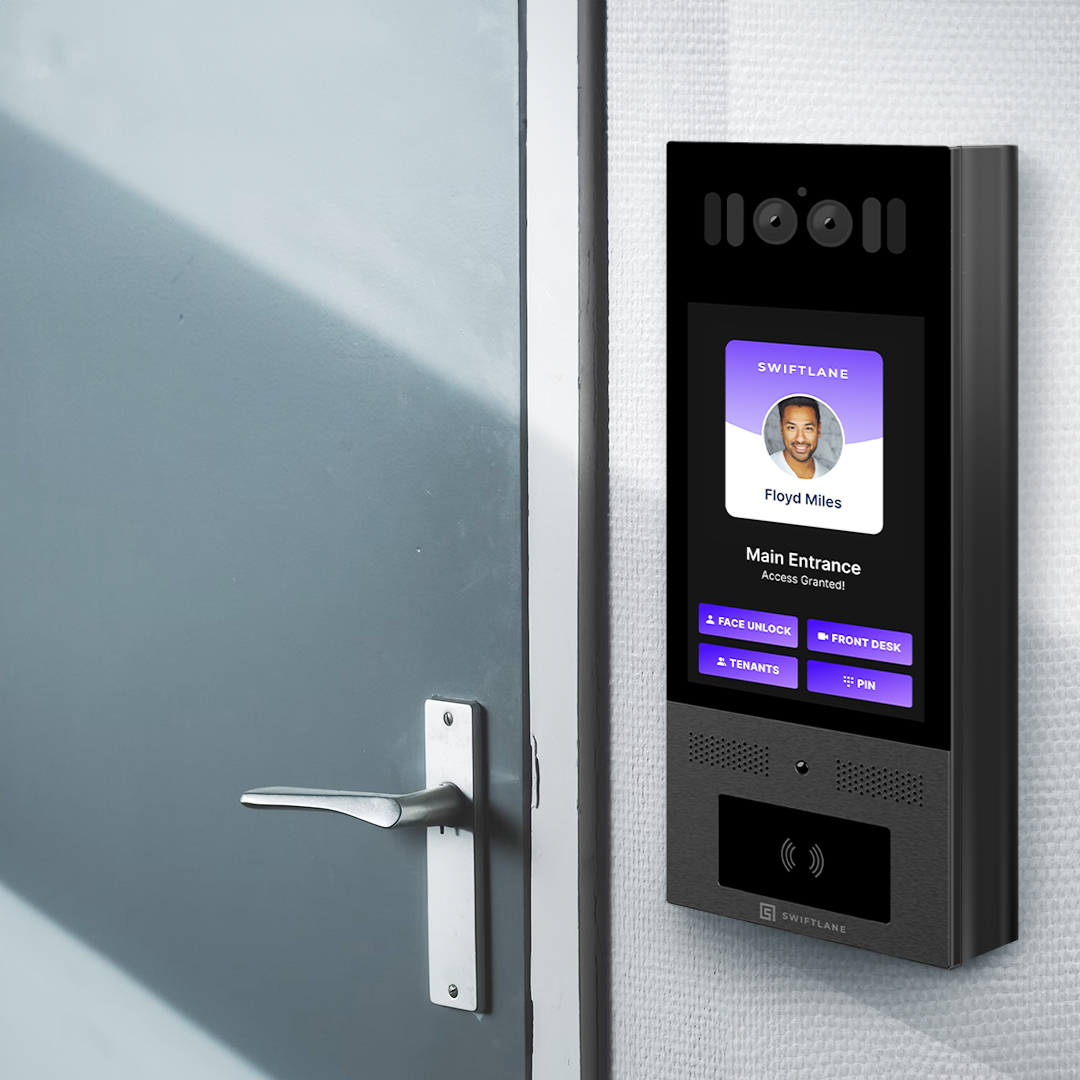
One of the most common questions property managers ask is: how much will it actually cost to replace an intercom system? The answer isn’t a single number. Costs vary based on system type (audio, video, or smart/cloud-based), building size, features, and installation complexity. But there are reliable industry estimates that help you budget realistically.
Typical hardware cost ranges
Based on industry installers and commercial security providers, modern apartment intercom systems generally fall into these ranges:
Audio-only intercom systems
- Typically range from $1000 to $3000 for base hardware
Video intercom systems
- Usually range from $2000 to $5000 + per main entry panel
IP/cloud-connected intercom systems
- These systems with mobile access, video, and centralized management typically range from $4,000 to $8,000+ for hardware, depending on configuration. While the upfront cost may be higher than legacy systems, these platforms often prove more cost-effective over time by reducing maintenance, eliminating on-site servers, and minimizing the need for dedicated front desk staffing.
Installation and Integration Costs
Hardware is only part of the total cost. Installation varies widely depending on wiring, building age, and infrastructure.
According to HomeAdvisor’s national cost data:
- Average intercom installation cost – $2500
- Typical range: $1500 – $7000+
- Large or complex buildings can exceed this range
Buildings with older wiring or multiple entry doors usually require more labor and configuration, which increases total cost.
How building size affects cost
Small buildings (10-30 units)
Single-entry video intercom systems typically stay toward the lower end of the range.
Mid-size buildings (30-100 units)
Often requires multiple panels or networked stations, increasing both hardware and installation costs.
Large building (100+ units or multiple entrances)
Usually require distributed panels, networking, and integration with access control or property systems, pushing projects into higher cost tiers.
Choosing the right fit
The goal isn’t just to buy the cheapest system; it’s to choose a system that fits how your building actually operates.
- Buildings with high delivery traffic benefit from video and remote unlock
- Properties with limited staff benefit from mobile answering and cloud management
- Older buildings may need retrofit-friendly hardware
A well-matched system may cost more upfront but often saves time, support effort, and resident frustration over the long term.
Reputable manufacturers of IP-connected multi-tenant intercom systems:
Here are some of the established manufacturers whose systems are commonly used in apartment and multi-tenant settings. These names reflect manufacturers with broad deployments and product longevity in the market, not ranking or recommendations:
- Aiphone – Long history in commercial and multi-tenant intercoms with scalable IP and legacy options
- 2N (by Axis Communications) – Modular intercom platforms with integration flexibility
- DoorBird – IP-based intercom stations with mobile-centric work workflows
- Comelit – European manufacturer with video and mixed entry system portfolios
This list can help you understand the landscape and how products differ in deployment patterns, scalability, and support options.
Swiftreader X for Apartment Intercom Replacement
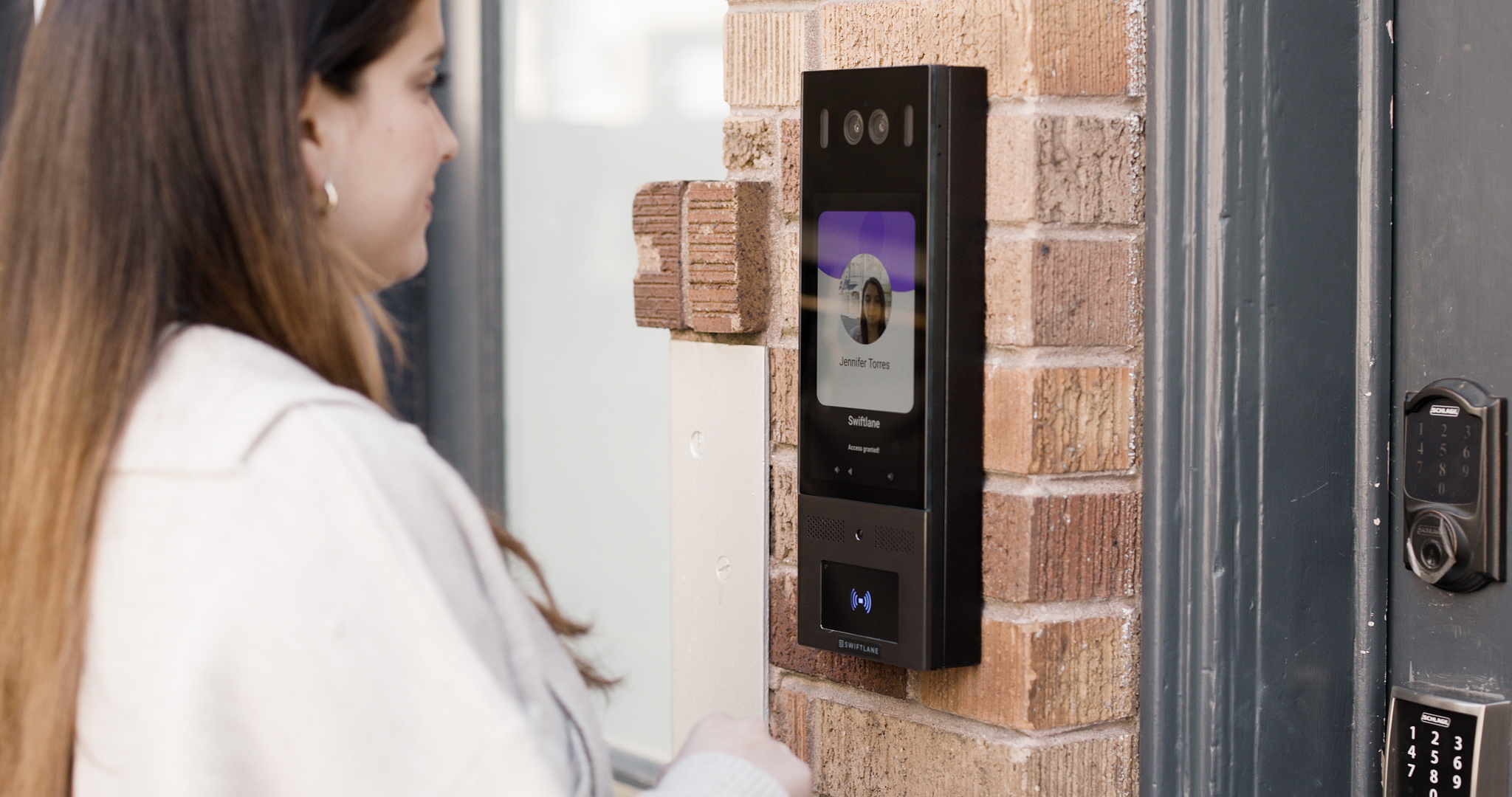
The Swiftreader X is designed for multi-tenant residential buildings and apartment intercom replacements that require modern access control, durability, and scalability. The system includes a range of features commonly sought in contemporary multifamily security upgrades:
- Large 8” video screen
- 2-way video intercom
- Built-in facial recognition access control for residents
- Works with PIN Codes, Key Fobs, and Mobile phones
- IK10 anti-vandalism and IP65 weatherproofing
- Up to 10,000 users/units
- 24-hour telephone support
Watch our video for a quick overview!
Final thoughts
Replacing an apartment intercom system is less about chasing the newest features and more about choosing a setup that matches how your building actually runs day to day. Entry points, visitor traffic, delivery volume, staffing coverage, and resident expectations all shape what “the right system” looks like.
A good replacement should make access simpler, not more complicated. It should reduce missed deliveries, eliminate shared codes and broken call boxes, and give residents a smoother way to manage visitors, without adding more work for property staff.
By focusing on real-world use, infrastructure readiness, and long-term reliability, property teams can invest in an intercom system that enhances security, supports operations, and adapts to evolving building needs.
FAQs
How long does it take to replace an apartment intercom system?
Most apartment intercom replacements take anywhere from a single day to a few weeks, depending on the building’s wiring, number of entry points, and whether new cabling or network infrastructure is required. Retrofit-friendly systems install faster than fully rewired deployments.
Can a new intercom system work with my existing doors and access hardware?
In many cases, yes. Modern intercom platforms are designed to integrate with existing electric strikes, mag locks, and access controllers. However, older buildings may need upgrades to power, wiring, or network connectivity to support video intercoms and mobile access features.
Is a video intercom worth upgrading from an audio-only system?
For buildings with frequent visitors, deliveries, and service traffic, video intercoms provide a clear advantage. Visual verification helps residents and staff make better access decisions, reduces unauthorized access/entry, and improves overall security compared to audio-only call boxes.
Upgrade Your Building Security
Get in touch with a Swiftlane specialist for more information on the best access control and video intercom solution for your building.


