


An apartment buzzer system, also known as an apartment door buzzer, is the hardware that lets visitors request entry at a multifamily building: a front-entrance buzzer panel, a receiver inside the unit or on a resident’s phone, and an electronic door strike that releases the lock on approval.
Buzzer systems fall into three categories: hardwired analog buzzers wired directly to each unit, telephone entry systems that ring a resident’s phone line, and cloud-based smart video buzzers that connect over the internet and support mobile unlock.
This guide covers each type, what repairing, retrofitting, or fully upgrading a buzzer system costs in 2026, and a checklist for evaluating a replacement. For a broader comparison across all building entry system types, see our guide to apartment entry systems.
How We Researched This
This guide draws on published cost benchmarks from Vertex Security and UA Security for repair, replacement, and upgrade pricing, cross-checked against each source’s actual published tiers rather than summarized secondhand.
Buzzer system types, wiring configurations, and retrofit mechanics are described based on how these systems are commonly installed and serviced in multifamily buildings. Biometric compliance information reflects the current text of the Illinois Biometric Information Privacy Act, Texas’s Capture or Use of Biometric Identifier Act, and Washington’s RCW 19.375.
Property managers should confirm current requirements with legal counsel before deploying facial recognition, since state biometric laws can change. The customer example referenced is a composite based on Swiftlane deployments, with identifying details anonymized.
Key Takeaways
- Legacy analog and telephone entry buzzers work reliably but are audio-only, and repairing decades-old-in-unit wiring gets more expensive as it decays.
- Smart video buzzers add visual verification and mobile unlock, and typically don’t require running new wiring to individual units.
- Costs generally fall into three tiers: repair ($150–$250), like-for-like audio replacement ($1,000–$3,000/door), or a smart video upgrade ($1,500–$5,000/door).
- Most buzzer-to-video retrofits connect to a building’s existing electric strikes and don’t require opening walls, though full timelines vary by building.
- Facial recognition as a credential option carries state-specific biometric privacy obligations that you should confirm before deployment.
Table of Contents
- Types of Apartment Buzzer Systems (Legacy vs. Modern)
- The 4 Biggest Problems with Legacy Buzzers
- How Much Does an Apartment Buzzer System Cost?
- Can You Upgrade an Apartment Buzzer Without Rewiring?
- Apartment Buzzer Replacement Checklist
- Why Property Managers Choose Swiftlane
- FAQs
Types of Apartment Buzzer Systems (Legacy vs. Modern)
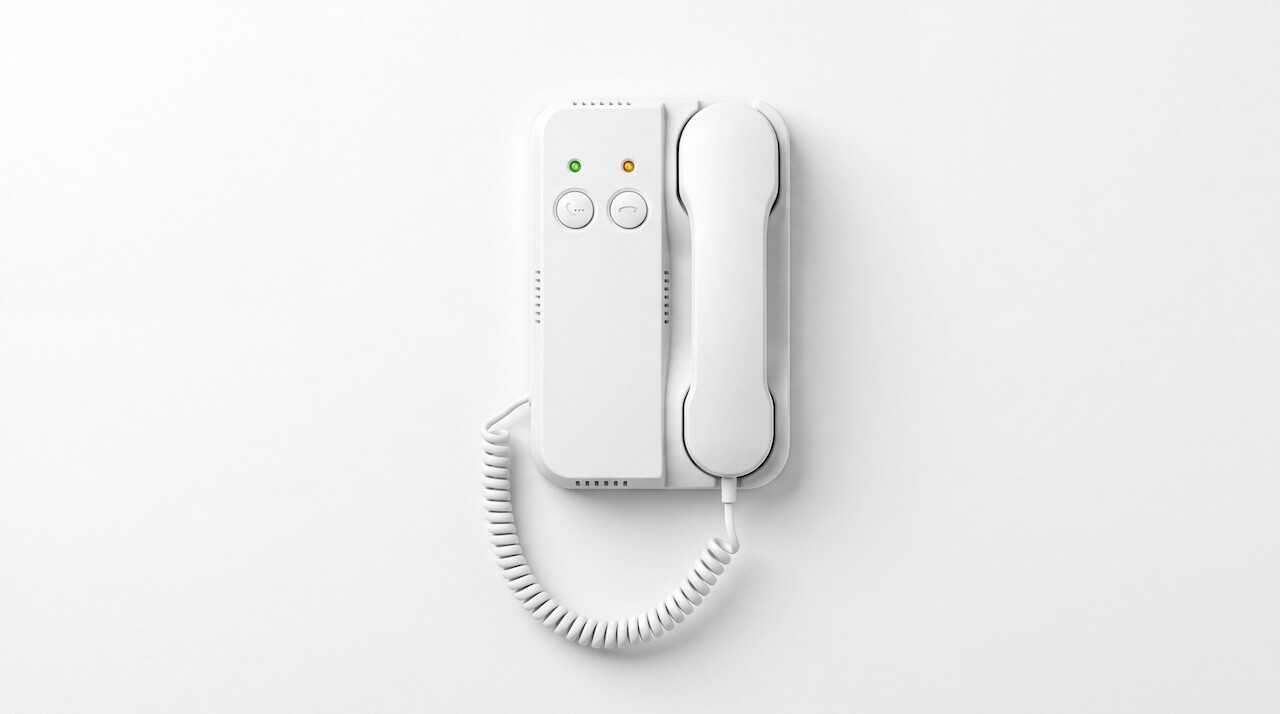
Analog / Hardwired Buzzers
Analog buzzer systems use dedicated wiring that runs from the front-door panel to a wall-mounted station in each apartment, typically installed as 3-wire, 4-wire, or 5-wire setups between the 1960s and 1990s.
- Pros: Works without an internet connection; simple mechanical design
- Cons: Audio only, no video; wiring degrades over decades inside walls; failures can be slow and expensive to trace and repair
Telephone Entry Buzzers / Call Boxes
Telephone entry systems, or call boxes, ring a resident’s phone line, either a landline or a cellular dialer, instead of an in-unit wall station. Visitors dial the resident’s directory code, and the resident grants access by pressing a key on their phone. See the guide to telephone entry systems for a deeper look at how these systems work.
- Pros: No in-unit wall stations to wire or maintain
- Cons: Audio only; ongoing landline costs where a phone line is used; directory programming can be clunky to update
Smart Video Buzzers / Cloud Intercoms
Smart video buzzers are IP-connected panels that place HD video calls directly to a resident’s smartphone or an in-unit tenant station, connecting over WiFi, Ethernet, or cellular data. Residents can see and speak with visitors and remotely release the door, whether they’re home or not. For a closer look at how residents use these systems day to day, see how apartment buzzers work.
- Pros: Visual verification of visitors; mobile unlock from anywhere; temporary visitor PINs; no new in-unit wiring required
- Cons: Higher upfront hardware cost; requires a working internet connection
Comparison Table
At a glance, here’s how the three buzzer system types compare on cost, wiring, and features, so you can see where your building’s current setup fits and what an upgrade would involve.
| System Type | Best For | Typical Installed Cost (per door) | Wiring Needed | Audio/Video | Remote Mobile Unlock |
| Analog Hardwired Buzzer | Small buildings keeping existing wiring, no internet dependency | $1,000–$3,000 for like-for-like replacement | Dedicated wiring to each unit | Audio only | No |
| Telephone Entry Call Box | Buildings without in-unit wiring, avoiding video costs | $1,000–$3,000 | None to units; connects to phone lines | Audio only | Yes, via phone call |
| Wireless Smart Video Intercom | Buildings wanting video verification and mobile access | $1,500–$5,000 | None to units; connects over WiFi/Ethernet/cellular | Video and audio | Yes, via app |
The 4 Biggest Problems with Legacy Buzzers
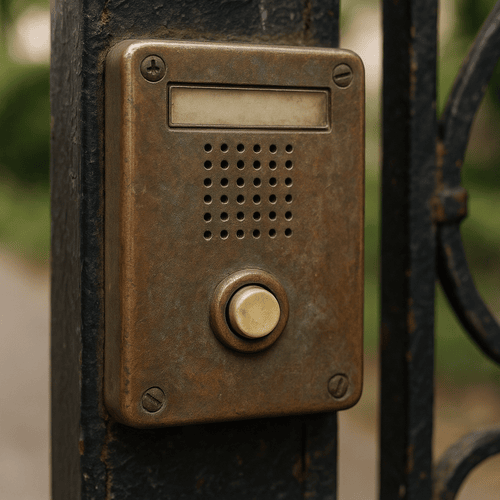
Before deciding whether to repair, retrofit, or replace an apartment or condo buzzer system, it helps to understand exactly what an aging setup costs a building in security, convenience, and maintenance. Here are the four most common pain points.
1. The Annoying Buzzer Noise
Legacy buzzer systems rely on mechanical solenoids that produce a harsh, grating sound, closer to a classroom bell or a low buzz than anything pleasant. Modern smart video buzzers replace that with customizable chimes, or route calls to a resident’s phone as a silent push notification or a gentle vibration, so residents are no longer stuck with the sound their building installed decades ago.
If a buzzer is making a constant or unusual buzzing sound rather than its normal tone, that’s typically a symptom of a stuck button, a failing transformer, or a wiring fault rather than a design choice; see intercom not working: here’s how to fix it for troubleshooting steps.
2. Zero Visual Verification
Audio-only buzzers give residents no way to see who’s at the door before granting access, leaving buildings exposed to people posing as delivery drivers or maintenance staff to get inside and target packages. Video buzzers let residents see the visitor first, closing that blind spot.
3. Hidden Cable Decay and Repair Headaches
Wiring installed decades ago corrodes and degrades inside walls over time, and tracing a fault without documentation or easy wall access can turn a simple repair into an expensive, drawn-out job.
Smart video buzzers that connect wirelessly avoid this failure point entirely.
4. No Remote Access for Deliveries and Guests
With a legacy buzzer, a resident has to be home to let someone in, which can mean missed deliveries, packages left with a neighbor, or a guest stuck waiting outside. Smart video buzzers let residents answer and unlock the door from their phone, no matter where they are.
How Much Does an Apartment Buzzer System Cost?
Apartment buzzer costs generally fall into three tiers, depending on whether you’re repairing, replacing like-for-like, or upgrading to a smart video system.
- Repairing an existing buzzer: Straightforward fixes, such as a stuck button, a worn transformer, or a single dead station, typically run $150 to $250 as a flat-rate service call, per UA Security‘s published repair pricing. Larger jobs involving lobby panel replacement or multi-unit rewiring are usually quoted separately after an on-site review and can range from several hundred to several thousand dollars depending on the number of units affected.
- Replacing with a like-for-like audio system: Audio-only buzzer replacement typically costs $1,000 to $3,000 per installed door, per Vertex Security‘s intercom pricing guide, though this option is rarely recommended for buildings that also want video or mobile features, since replacement parts for older analog panels are increasingly hard to source.
- Upgrading to a smart video buzzer system: Full-featured cloud-based video buzzer systems typically run $1,500 to $5,000 per installed entry point for hardware and setup, per Vertex Security, with ongoing cloud platform fees layered on top.
Key cost drivers include the number of doors, the condition of existing wiring and electric strikes, and whether the building’s internet infrastructure can support a cloud-connected system.
For a full breakdown of installation costs, labor, and what drives pricing up or down, see our complete guide to apartment intercom replacement costs.
Can you Upgrade an Apartment Buzzer Without Rewiring?
One of the biggest concerns building owners raise before an upgrade is whether it means tearing open walls to run new wire to every unit. In most cases, it doesn’t.
Eliminating In-Unit Cabling
Modern smart video buzzers transmit calls over the internet or cellular network directly to a resident’s smartphone or an in-unit tenant station, rather than through dedicated wiring run to each apartment. That means the retrofit work is largely confined to the building’s entrance and risers, not every individual unit.
Door Strike Integration
On the door side, a new smart panel typically connects to the building’s existing electric strike or magnetic lock using standard low-voltage relay wiring, the same type of connection legacy systems already use. In most cases, the strike hardware itself doesn’t need to be replaced, only the panel and its control wiring. For more on how buzzer and intercom systems integrate with door release hardware, see our guide to apartment intercom systems with door release.
For a full migration checklist and project timeline, see our guide to upgrading an apartment intercom system.
Apartment Buzzer Replacement Checklist
Once you’ve settled on repair, retrofit, or full replacement, use this checklist to evaluate specific models against a building’s actual needs. For a step-by-step walkthrough of the replacement process itself, see our apartment intercom replacement guide.
- Video vs. Audio verification: Decide whether one-way or two-way HD video is worth the added cost over an audio-only panel. Two-way video is increasingly standard and helps residents with hearing impairments or sign-language users communicate with visitors.
- Door Strike and Lock Compatibility: Confirm the new panel works with the building’s existing electric strike, whether it’s 12V or 24V, and whether the strike is fail-secure or fail-safe, since that affects how the door behaves during a power outage.
- Installation Requirements: Determine whether the system can retrofit onto existing wiring or requires a wireless installation, and whether professional installation is required, as it is for nearly all multi-unit buildings.
- Network Connectivity: Check whether the system supports a primary connection plus a cellular backup, so a WiFi or internet outage doesn’t take the entry system down.
- Security and Durability: Look for vandal resistance (IK ratings) and weatherproofing (IP ratings) appropriate for an outdoor-mounted panel exposed to the elements and foot traffic.
- Resident and Delivery Experience: Confirm the system supports the access methods residents actually want, PIN codes, mobile app unlock, temporary delivery codes, and key fobs, so deliveries and guests aren’t left waiting.
- Maintenance and Remote Management: Ask whether the system can be managed and updated remotely through a cloud dashboard, versus requiring on-site programming for every change.
- Total Cost of Ownership: Factor in what the new system eliminates- landline fees, physical key management, and in-unit wiring upkeep- against the upfront hardware cost under “How Much Does an Apartment Buzzer System Cost?” above.
Why Property Managers Choose Swiftlane
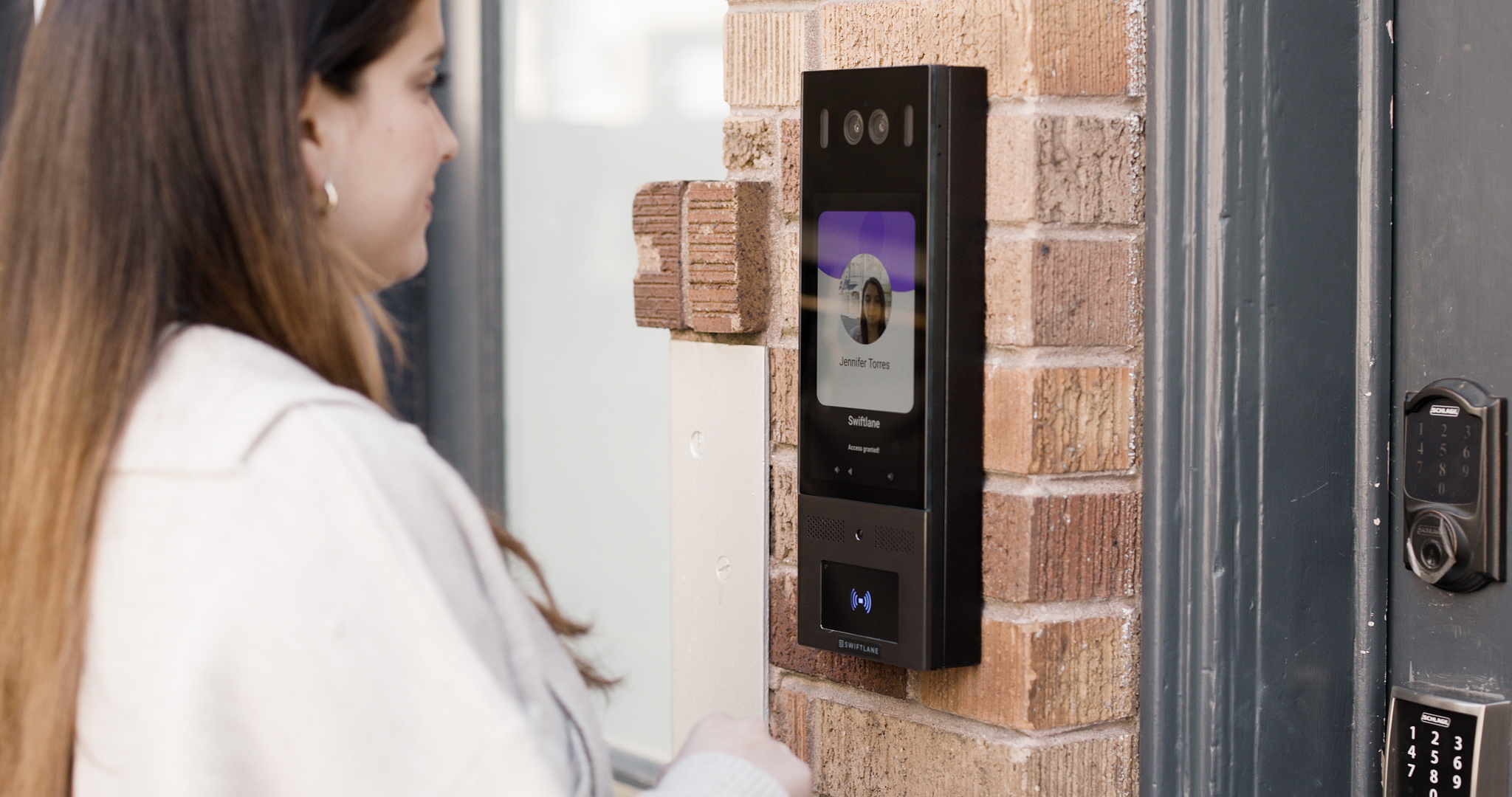
Swiftlane offers a cloud-managed video intercom system built for multifamily buildings upgrading from legacy buzzers. Key features include:
- Multiple credential options for residents, including mobile app unlock, PIN codes, key fobs, and facial recognition
- Simple two-wire integration with existing electric strikes, avoiding a full rewiring project
- Centralized web-based management so property staff can update directory entries, access permissions, and credentials remotely without on-site programming
Because facial recognition involves biometric data, it’s subject to state-specific privacy laws, including Illinois’ Biometric Information Privacy Act (BIPA), Texas’ Capture or Use of Biometric Identifier Act (CUBI), Tex. Bus. & Com. Code § 503.001, and Washington’s RCW 19.375. Buildings considering facial recognition as a credential option should confirm compliance with applicable state law before deployment.
One multifamily property replaced an aging analog buzzer system with Swiftlane’s video intercom and saw fewer resident complaints about missed deliveries and unanswered calls once residents could unlock the door from their phones instead of relying on an in-unit wall station. (Composite example based on Swiftlane customer deployments; details anonymized.)
FAQs
How much does it cost to replace an apartment buzzer system?
Cost depends on the type of replacement. Repairing an existing buzzer typically runs $150 to $250 for straightforward fixes, replacing with a like-for-like audio system runs $1,000 to $3,000 per door, and upgrading to a smart video buzzer system typically runs $1,500 to $5,000 per door. See “How Much Does an Apartment Buzzer System Cost?” above for a full breakdown.
Can an apartment buzzer be connected to a cell phone?
Yes. Telephone entry systems can use a cellular dialer instead of a landline to ring a resident’s phone, and smart video buzzers connect directly to a resident’s smartphone over the internet, letting them see, speak with, and unlock the door for a visitor from the app.
How do condo buzzer systems differ from apartment rentals?
In a condo, buzzer system decisions typically go through an HOA or condo board rather than a single property manager, and the cost is usually funded through shared reserves or a special assessment rather than an operating budget. Because condo owners tend to hold their units longer than renters, the board’s long-term total cost of ownership matters more than it might for a rental building weighing a faster, lower-cost fix.
Why is my apartment buzzer making a constant buzzing noise?
A constant or unusual buzzing sound typically indicates a stuck button, a failing transformer, or a ground fault in the wiring, rather than the buzzer’s normal operating tone. Our guide to fixing a non-working intercom covers basic troubleshooting steps.
Can you upgrade an old buzzer system without rewiring the whole building?
In most cases, yes. Modern smart video buzzers transmit calls over the internet or cellular network rather than through dedicated wiring to each unit, so the retrofit work is largely confined to the building’s entrance rather than every apartment. See “Can You Upgrade an Apartment Buzzer Without Rewiring?” above for details.
What is the best replacement for an obsolete apartment intercom buzzer?
For most buildings, a cloud-based smart video buzzer is the strongest replacement option, since it adds video verification and mobile unlock while avoiding the in-unit wiring that legacy and telephone entry systems require.
Get a Quote
Please share more details about your building so we can find the perfect solution for you!


